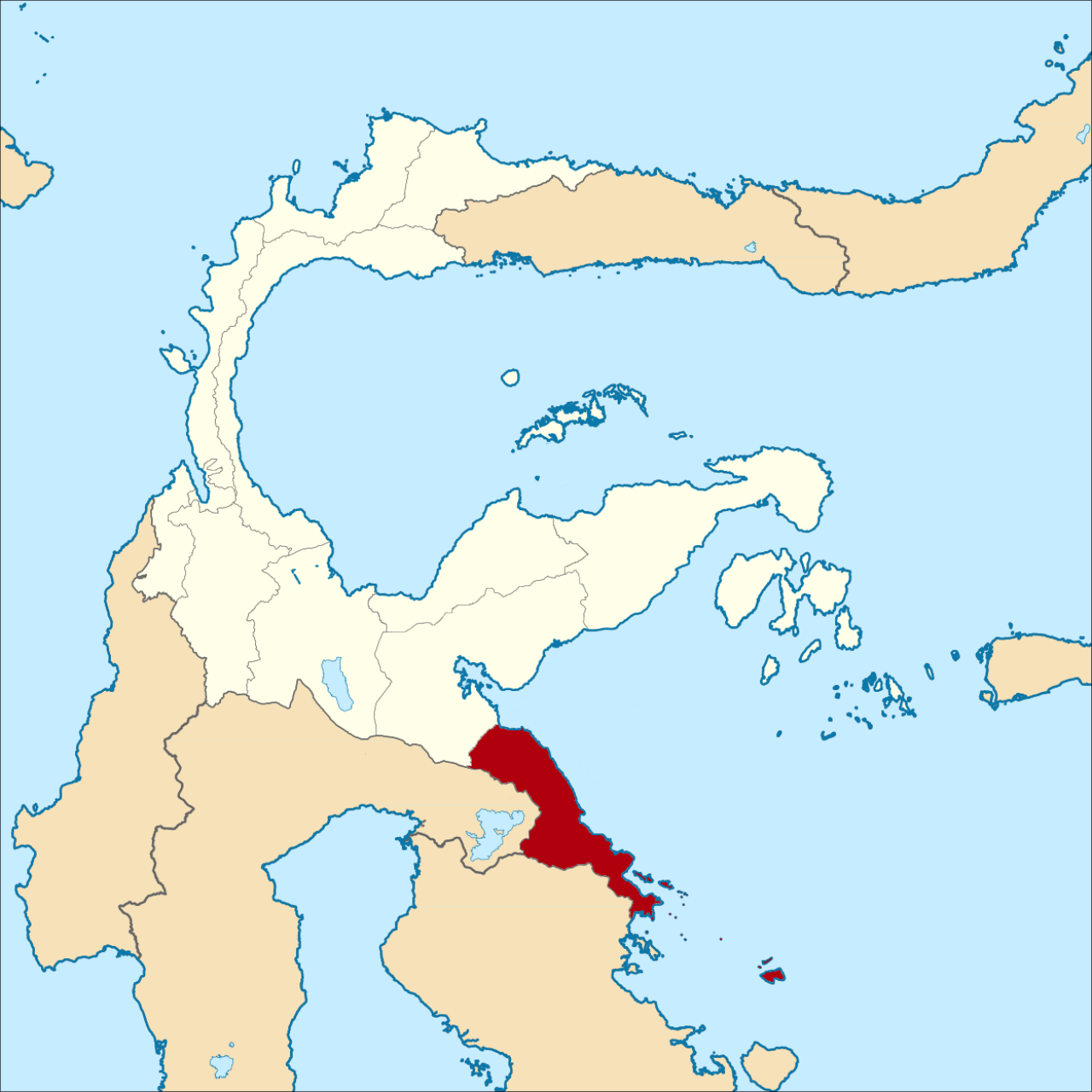
When I visited Central Sulawesi, Indonesia, in August 2026, Morowali—which had been established as a regency only in October 1999—came up repeatedly in conversation.
Why are people in Central Sulawesi so interested in Morowali? What is happening there now? Who is coming, and in what numbers? How has the town changed? And what is being lost in the shadow of such rapid development?
Later, when I met a friend from Morowali again in Jakarta, he spoke with dismay about the changes in his hometown and the situation there today. The more I listened, the clearer it became that Morowali was more than simply another site of regional development.
Until the end of the century, Morowali remained a largely undeveloped frontier. Today, however, vast factories, smelters, coal-fired power plants, ports, roads and residential areas stretch across Morowali Regency in Bahodopi District. Nickel and stainless steel produced there are shipped around the world, while large numbers of workers arrive from China. Once a once a remote and impoverished region of Indonesia,within little more than a decade Bahodopi has become one of the world’s important centers of the nickel industry
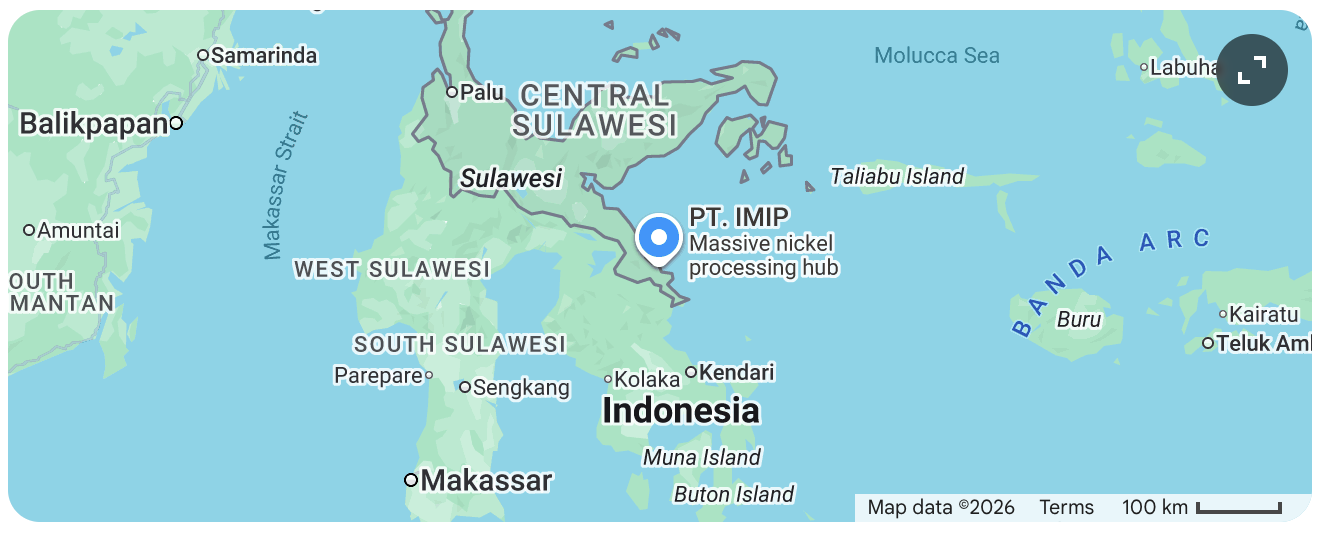
The transformation began in 2009. That year, China’s Tsingshan Holding Group and an Indonesian company established a venture and began large-scale nickel development in Morowali. 2013 was the decisive year. Construction of a smelter began in Bahodopi, and in October an agreement was reached to develop the Indonesia Morowali Industrial Park (IMIP) in the presence of Chinese President Xi Jinping and Indonesian President Susilo Bambang Yudhoyono. IMIP officially opened in 2015.
The center of this development was the area around Fatufia village in Bahodopi District. It has since developed into an industrial cluster producing not only nickel, but also stainless steel, carbon steel, and battery materials.
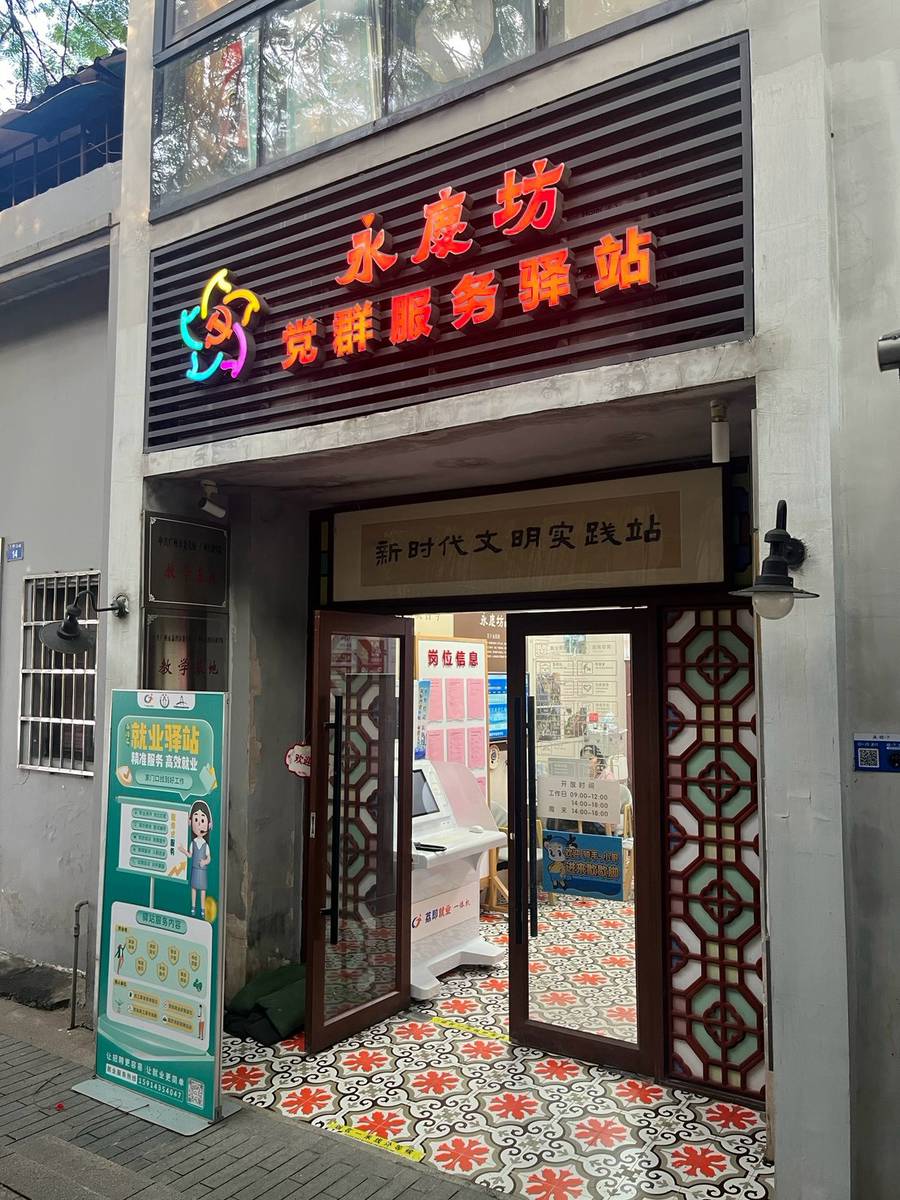
Factories are built. Roads are constructed. Ports are developed. People arrive. The land itself has changed as a result. Between 2014 and 2025, industrial and residential areas expanded rapidly in Bahodopi. In places such as Labota, Makarti Jaya and Bahomakmur, green spaces and agricultural land were converted into factories, housing and infrastructure. Chinese workers became increasingly visible in the town, and Chinese-language signs appeared everywhere.
Development has another face. Rapid industrialization has also brought an environmental burden. A study published in 2024 warned that long-term exposure to PM10, PM2.5 and sulfur dioxide in these areas could pose health risks to residents. In May 2025, Indonesia’s Ministry of Environment also inspected the IMIP area, examining waste disposal sites and industrial areas affected by flooding. Even the state that promoted this development can no longer simply ignore its side.
What matters, however, is not to understand these changes through numbers. Rising investment and production figures may suggest development. Behind those numbers are people who have given up their land, people whose lives have been transformed by a sudden influx of newcomers and people who live near factory smoke and industrial dust.
If we are to think about Morowali’s future, we must look not only at the growth of the state and corporations but also listen to the communities that actually bear the consequences of these changes.
The question we should ask is simple: who gains and who bears the costs? Will development genuinely create a future for the region? Once the resources are exhausted, will environmental problems be all that remain?
These questions are not unique to Morowali. Precisely because Morowali is growing so rapidly, we need to examine both the speed of development and its costs. Few places bring this question into focus clearly. That is why we cannot look away.
Yet Morowali should not be reduced to a story. Chinese companies came to Indonesia. Destroyed the environment. Corporate responsibility must, of course, be examined. That story alone does not allow us to understand the full picture. Morowali is also part of the history of China.
Since China’s reform and opening-up began in 1979, the country has undergone industrialization. China became one of the world’s industrial powers, and its growth required enormous quantities of resources: iron ore, coal, oil, and minerals such as nickel.
China’s economy could no longer be sustained by resources within its borders alone. Chinese companies increasingly sought resources overseas. At the time, capital, technology, equipment, and industrial capacity accumulated within China also began moving abroad. Morowali is a place where this transformation of the economy met Indonesia’s development policies.
Chinese companies had the capital and technology needed to build and operate smelters. Indonesia had nickel resources. The Indonesian government had a policy of promoting downstream processing. Rather than simply exporting raw ore, it wanted minerals to be processed domestically and used to support industrialization.
The interests of both sides converged. Morowali, therefore, was not simply created by China. It was also a place where the Indonesian state accepted capital in an effort to promote its own industrialization.
That leaves us with another question. If factories are built in Indonesia, does that necessarily mean that Indonesia is becoming industrialized?
Industrialization should mean more than constructing factories. Technology should be transferred. Workers should acquire skills. Local companies should grow. Knowledge and wealth should remain within the community.
The land and resources may belong to Indonesia. The factories may stand on Indonesian soil. If key technologies and business activities continue to depend on outside actors, whose industrialization is it?
Morowali reveals another contradiction well: the contradiction of the green economy. Nickel has become increasingly important as a resource for vehicles and batteries. Decarbonization is often presented as the path toward a friendly future. Producing the nickel needed for that future requires enormous industrial complexes. In Morowali, huge factories have been built; coal-fired power plants continue to operate, and environmental pressures are increasing.
In one part of the world, people speak of a future. For that future, another place pays the price. This is one of the contradictions of the contemporary green transition.
China stands at the center of this contradiction. It is one of the world’s manufacturing powers and a global leader in electric vehicles and battery production. China alone did not create this structure. The global market needs nickel. Governments around the world are promoting the transition to electric vehicles. The Indonesian government is seeking to use its natural resources to promote industrialization.
Morowali is where these different forces meet. That is why it cannot be understood as a story of “Chinese resource domination”. You have got decades of Chinese industrial history baked into this place, money that traveled thousands of miles looking for somewhere to land, and an Indonesian government that saw an opportunity and took it. It contains a global market that requires enormous quantities of minerals in the name of a greener future.
If you really want to understand what China has become, do not just fly into Beijing or walk around Shanghai’s waterfront. We should also pay attention to Morowali, away on the Indonesian island of Sulawesi.
There, the history of industrialization has taken another form: vast smelters and factories. One local community is bearing both the benefits and the costs produced by that history.
Morowali is not simply the story of a corner of Indonesia. China today is visible there. So is our own global economy, connected to Morowali through China.
Author Profile
Share & Reference